Diagnosing Strange Car Noises: What Every Sound Means
Quick Answer
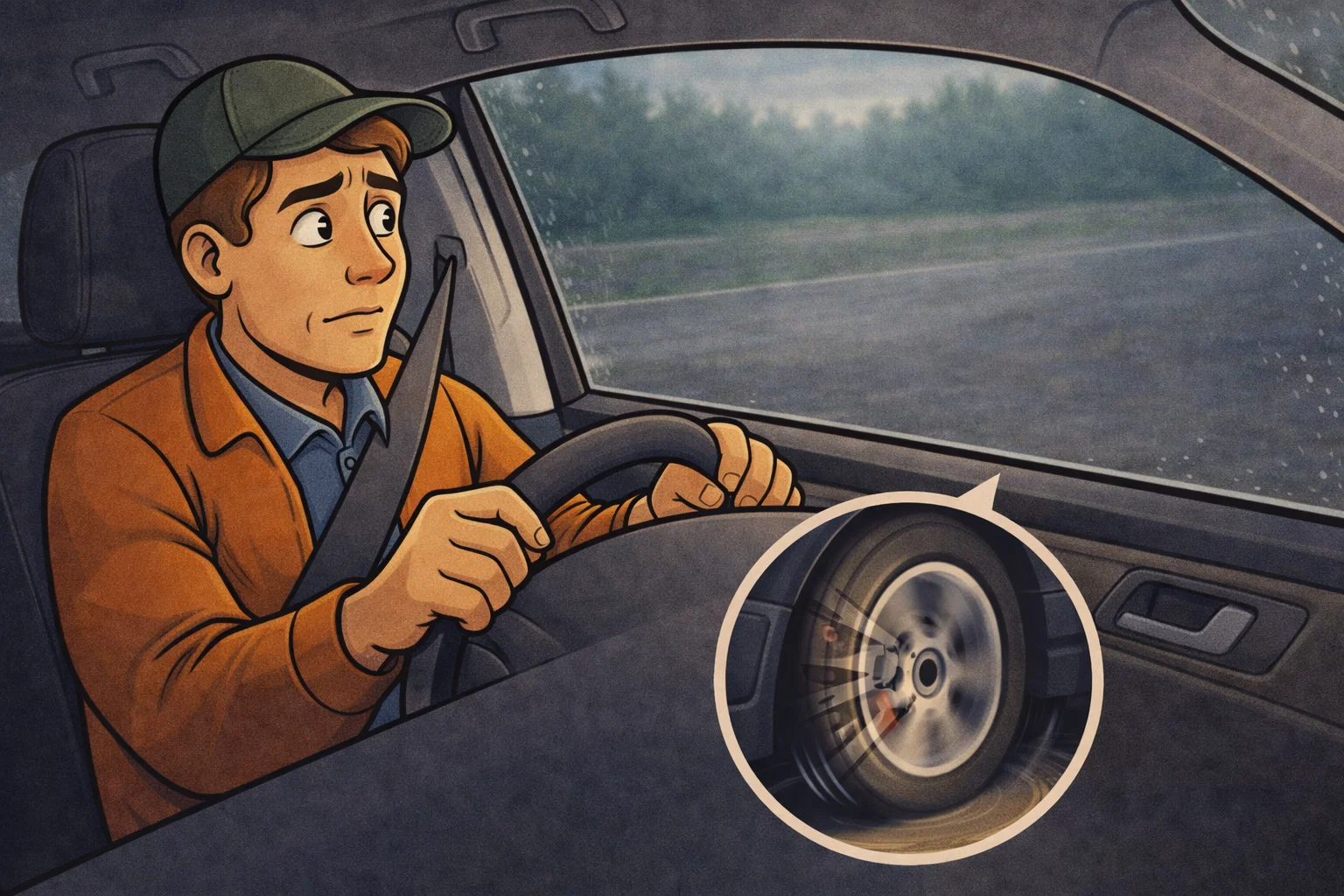
Strange car noises are your vehicle's way of telling you something needs attention. Grinding usually points to brakes or wheel bearings. Squealing often means a worn serpentine belt or brake wear indicator. Clicking during turns signals a failing CV axle. Humming that changes with speed suggests a bad wheel bearing. Rattling underneath may be a loose heat shield or exhaust component. Most noise-related issues cost $50 to $500 to fix, and early diagnosis prevents expensive damage.
Your Car Is Talking to You. Here Is How to Listen.
Every strange sound your car makes is a clue. Some noises are harmless. Others are urgent warnings that something is about to fail. The difference between catching a $50 brake pad replacement and paying $800 for rotor damage often comes down to knowing what that noise means and acting quickly. This is one of the most common questions people ask mechanics, Google, and voice assistants: "Why is my car making that noise?"
The good news is that most car noises follow predictable patterns. A grinding noise from the front wheels almost always points to one of two things. A squeal at startup narrows down to a short list of causes. Once you learn to match the sound to the location and the driving condition that triggers it, you can diagnose most issues without any tools at all.
This guide breaks down every common car noise by type and location, tells you which ones are emergencies, and links to the specific repair guide for each cause.
Before diving into specific sounds, it helps to understand why cars make noise in the first place. Every mechanical system in your vehicle has moving parts that wear over time. Metal on metal, rubber against pulleys, fluid under pressure, and exhaust gases flowing through pipes all create sound. When parts wear beyond their tolerances, those sounds change. A healthy brake pad glides quietly against a smooth rotor. A worn pad grinds metal against metal. That is the difference between normal operation and a problem.
How to Describe Car Noises to a Mechanic
If you do take your car to a shop, the quality of your description directly affects how fast (and how cheaply) they diagnose the problem. Vague descriptions like "it makes a funny noise" force the mechanic to road-test your car, check multiple systems, and bill you for the extra diagnostic time. A precise description can cut diagnosis time in half.
When describing a noise, answer these four questions:
- What does it sound like? Use specific words: grinding, squealing, clicking, humming, rattling, knocking, hissing, or whining.
- Where is it coming from? Front left, front right, rear, engine bay, dashboard, underneath the car.
- When does it happen? At startup, while braking, during turns, at highway speed, over bumps, when accelerating, or only when cold.
- How has it changed? Getting louder, more frequent, or happening at lower speeds than before.
RECORD THE NOISE
Use your phone to record the sound while driving. Roll down the window closest to the noise source and hold the phone toward it. A 30-second clip is worth a thousand words at the repair shop. Many mechanics now accept video clips sent by text or email before you even bring the car in.
Noise-by-Type Breakdown
Here is what each type of sound typically means, starting with the most common noises people ask about.
Grinding
What it sounds like: A harsh, continuous metal-on-metal scraping. Think of dragging a rough stone across a metal surface.
Most likely causes:
- Worn brake pads: The number one cause of grinding. When brake pad material wears away completely, the metal backing plate grinds directly against the rotor. This usually starts as a squeal (the built-in wear indicator) before becoming a grind. Fix this immediately to avoid rotor damage that doubles the repair cost.
- Bad wheel bearing: A grinding or growling that changes with vehicle speed (not braking) and often gets louder when you sway the car side to side. See our wheel bearing diagnosis guide for the sway test and jack test.
- Worn CV joint: In severe cases, a failing CV joint grinds instead of clicks. This means the joint is near complete failure.
Squealing or Screeching
What it sounds like: A high-pitched, continuous whine or screech, often at startup or when turning the steering wheel.
Most likely causes:
- Worn serpentine belt: A belt that is cracked, glazed, or loose slips on the pulleys and squeals. It is loudest at cold startup and may go away once the engine warms up. Our serpentine belt guide covers inspection and replacement.
- Brake wear indicator: A small metal tab designed to touch the rotor when pads are low. This produces a consistent squeal while driving that stops when you press the brake pedal. This is your warning to replace the brake pads soon.
- Low power steering fluid: A whine that gets louder when turning the wheel, especially at full lock. Check and top off the power steering fluid as a first step.
Clicking or Popping
What it sounds like: A rhythmic click-click-click that speeds up with vehicle speed, or a pop during turns.
Most likely causes:
- Worn CV axle: The classic clicking-when-turning sound. It is loudest during low-speed tight turns in parking lots. Our CV axle replacement guide covers diagnosis and the complete replacement process.
- Loose lug nuts: A clicking from the wheel area that worsens at speed. Pull over and check immediately. This is a safety emergency.
- Worn strut mount: A pop or clunk when turning the steering wheel at low speed, especially noticeable in parking lots. Related to the suspension system.
Humming or Droning
What it sounds like: A low, continuous hum or drone that changes pitch with vehicle speed. It does not change when you press the brake pedal.
Most likely causes:
- Bad wheel bearing: The most common cause of humming at speed. The sway test while driving helps identify which side: sway left to load the right bearing, and vice versa. The bad bearing gets louder when loaded. See our wheel bearing guide.
- Tire noise: Uneven tire wear, cupping, or aggressive tread patterns create a hum that sounds similar to a bearing. Check your tire pressure and tread pattern. Rotate your tires if wear is uneven.
- Transmission whine: A pitch that changes with engine RPM rather than vehicle speed, or changes between drive and reverse, points to a transmission issue. Check the transmission fluid level and condition first.
Rattling
What it sounds like: A metallic shaking, buzzing, or chattering, often from underneath the car. May be intermittent and worse on rough roads.
Most likely causes:
- Loose heat shield: Thin metal shields around the exhaust and catalytic converter corrode and loosen over time. A rattle that goes away at certain RPMs is classic heat shield noise. A hose clamp or new bolt can fix this for under $5.
- Loose exhaust components: Worn hangers, loose clamps, or cracked pipe joints let exhaust sections vibrate against the undercarriage.
- Worn suspension components: Loose sway bar links, worn bushings, or damaged shocks and struts create rattles over bumps and rough pavement.
Knocking or Pinging
What it sounds like: A sharp knock or metallic ping from the engine, often during acceleration or under load (climbing hills).
Most likely causes:
- Engine knock (detonation): Fuel igniting unevenly in the cylinders. Often caused by low-octane fuel, carbon buildup, or a failing knock sensor. Try switching to the fuel octane your owner's manual recommends. If the knock persists, have it diagnosed before engine damage occurs.
- Rod knock: A deep, rhythmic knock that speeds up with RPM is a serious internal engine issue. This is one of the most expensive problems and typically means the engine needs a rebuild or replacement. Do not ignore this sound.
- Worn spark plugs: Old or fouled spark plugs cause incomplete combustion that sounds like a ping or misfire under load.
Hissing
What it sounds like: A steady or intermittent hiss, like air or steam escaping. Usually comes from the engine bay.
Most likely causes:
- Vacuum leak: Cracked or disconnected vacuum hoses create a hiss and can cause rough idling, poor fuel economy, and a check engine light.
- Coolant leak on hot engine: Coolant dripping onto the exhaust manifold or engine block produces a hiss and sometimes a sweet smell. Check for cooling system leaks immediately to prevent overheating.
- Exhaust leak: A hiss or ticking from the exhaust manifold area, louder at cold startup and quieter as the metal expands when hot.
Whining
What it sounds like: A high-pitched whine that changes with engine speed (RPM), not vehicle speed.
Most likely causes:
- Failing alternator: The internal bearings wear and produce a whine that increases with RPM. Often accompanied by flickering lights or a battery warning on the dashboard. See our alternator guide.
- Power steering pump: A whine when turning, especially at full lock, often means the pump is failing or the fluid is low.
- Transmission issue: A whine that changes between gears or between drive and neutral can indicate low fluid or internal wear.
Noise by Location
If you can pinpoint where the noise is coming from, that narrows down the possibilities even further. Here is a quick location-based reference:
| Location | Common Noises | Likely Causes |
|---|---|---|
| Front wheels | Grinding, humming, clicking | Brake pads, wheel bearings, CV axle |
| Rear wheels | Grinding, humming, scraping | Rear brake pads/shoes, rear wheel bearings |
| Engine bay | Squealing, whining, knocking, hissing | Serpentine belt, alternator, vacuum leak, spark plugs |
| Underneath / exhaust | Rattling, buzzing, ticking | Heat shields, exhaust hangers, catalytic converter |
| Steering column | Whining, groaning, clunking | Power steering pump, strut mount, tie rod end |
| Suspension | Clunking, rattling over bumps | Sway bar links, ball joints, struts/shocks |
When to Stop Driving Immediately
PULL OVER IF YOU HEAR THESE
Some noises signal that continued driving could cause a crash or catastrophic damage. Pull over and call for help if you experience any of the following:
- Loud grinding from wheels with spongy brake pedal: Your brake pads are gone and you are grinding the rotor. Stopping distance is dangerously extended.
- Rhythmic metal clunking from the drivetrain: A broken CV joint or U-joint can lock a wheel or drop the driveshaft.
- Loud knocking from the engine with oil pressure light: This is potential engine seizure. Shut the engine off immediately.
- Sudden loud hissing with steam from the hood: A blown coolant hose or radiator failure. Continuing to drive will warp the cylinder head.
- Dragging or scraping that gets worse: Something may be dragging on the road surface, such as a loose splash guard, heat shield, or exhaust component that could catch on the pavement.
DIY Noise Diagnosis Process
You do not need expensive equipment to narrow down most car noises. Follow this systematic process to identify the source before you visit a shop or start a repair.
Identify the Sound Type
Listen carefully and categorize the noise. Is it grinding, squealing, clicking, humming, rattling, knocking, hissing, or whining? Use the noise-by-type section above to narrow your list of suspects. Write down your description using the four questions from the "How to Describe" section.
Pinpoint the Location
Roll down each window one at a time while driving and listen. The noise will be loudest through the window closest to the source. Have a passenger help if possible. For engine bay noises, pop the hood with the engine running and listen from different angles (keep hands and clothing away from belts and fans).
Note the Driving Conditions
When does the noise happen? Only at startup? At speed? During braking? Over bumps? When turning? When accelerating? Does it change between cold and warm engine? Each condition narrows the possibilities. For example, "humming that gets louder at 40 mph and changes when I sway left" points directly to a right wheel bearing.
Visual Inspection
With the car parked and engine off, look under the hood and under the car for obvious issues: loose belts, disconnected hoses, leaking fluids, dangling heat shields, loose exhaust hangers, or grease splatter near CV boots. Check your tire tread for uneven wear patterns that cause humming. Look at your brake pads through the wheel spokes to check pad thickness.
Test and Confirm
Based on your findings, perform the appropriate test. For wheel bearing suspicion, do the sway test and jack test. For belt squeal, spray a small amount of water on the belt while running and see if the noise changes. For brake grinding, check pad thickness. For suspension rattles, bounce each corner of the car and listen for clunks. If you have confirmed the noise source, find the matching repair guide in the links below.
Cost Comparison for Common Noise-Related Repairs
Knowing the typical cost range helps you decide whether to DIY or go to a shop. Here are the most common repairs triggered by car noises, ranked from cheapest to most expensive:
| Noise/Cause | DIY Cost | Shop Cost | Urgency |
|---|---|---|---|
| Loose heat shield (rattle) | $0-5 | $30-80 | Low |
| Serpentine belt (squeal) | $20-50 | $100-200 | Medium |
| Brake pads (grinding/squeal) | $30-70 | $150-350 | High |
| CV axle (clicking) | $50-150 | $300-700 | Medium-High |
| Wheel bearing (humming) | $40-120 | $250-550 | High |
| Alternator (whining) | $100-250 | $400-800 | High |
| Spark plugs (knocking/pinging) | $15-60 | $100-300 | Medium |
For a deeper look at when DIY makes financial sense versus when to use a shop, read our guide to saving money on car repairs.
What to Read Next
Brake Pad Replacement
Fix grinding and squealing from worn pads
Wheel Bearing Diagnosis
Two tests to identify that humming sound
CV Axle Replacement
Stop the clicking when turning
Serpentine Belt Replacement
Fix startup squealing and prevent accessory failure
Suspension Problems Guide
Diagnose clunks, rattles, and handling issues
Alternator Replacement Guide
Fix whining from a failing alternator
Frequently Asked Questions
Don't Miss Critical Car Care Tips
Get exclusive guides, money-saving maintenance tips, and early warning signs delivered straight to your inbox.