Dashboard Warning Lights Explained: What Every Symbol Means and What to Do
Quick Answer
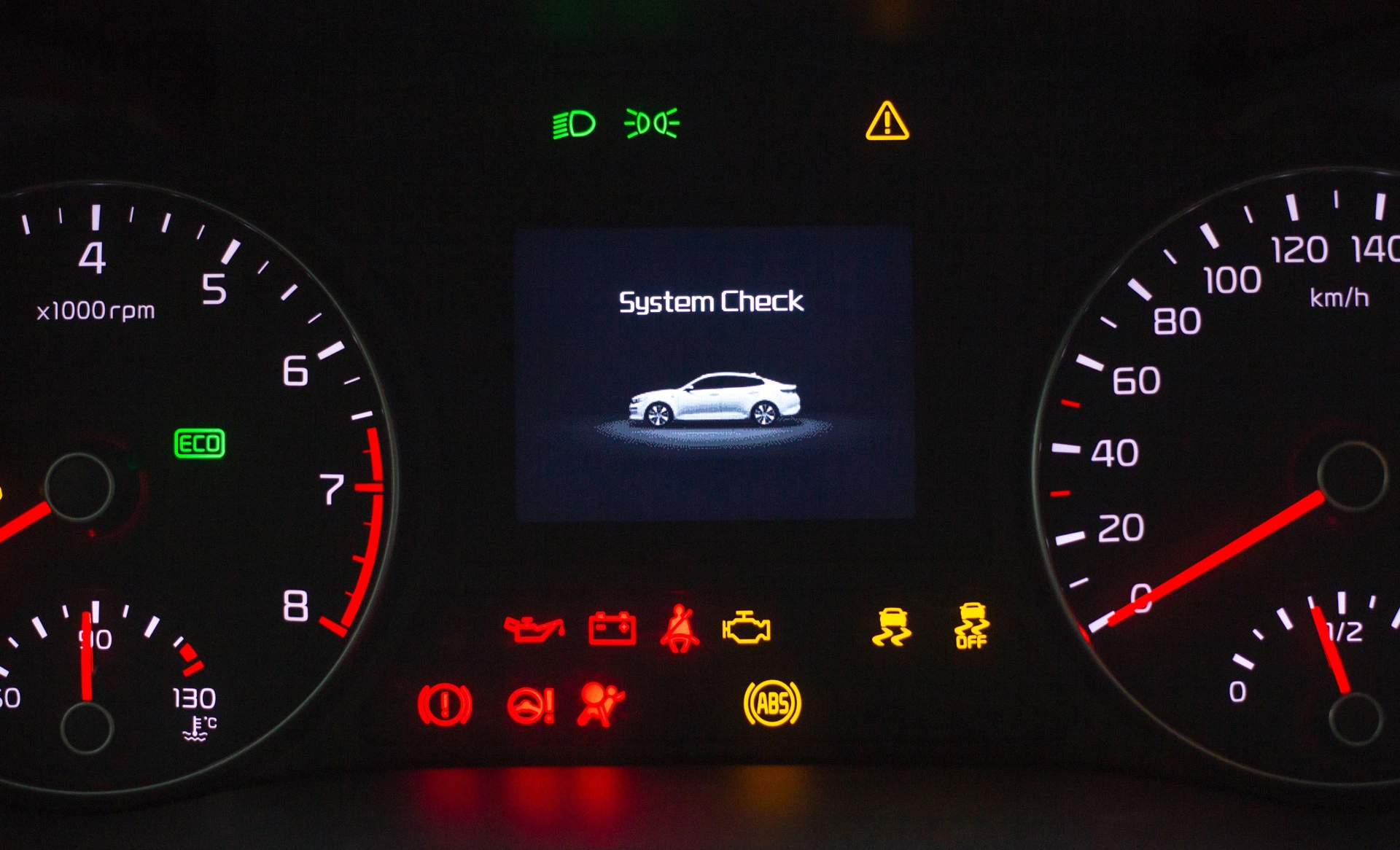
Red warning lights mean stop driving immediately (engine temp, oil pressure, brake system). Yellow/amber lights mean service soon but you can keep driving (check engine, TPMS, ABS). Green/blue lights are informational (turn signals, high beams, cruise control). When in doubt, pull over and check your owner's manual.
Your car's dashboard warning lights are its way of communicating with you. Understanding what each symbol means can be the difference between a minor fix and a major breakdown. This guide explains every common warning light, organized by severity, so you know exactly what to do when one illuminates.
Tools to Decode Any Warning Light
Gear we trust for this job. Links route to the closest store that ships to you.
As an Amazon Associate we earn from qualifying purchases at no extra cost to you. Learn more.
Recommended tool
OBD2 Scanner
Read and clear check engine codes in seconds.
Recommended tool
Digital Battery Load Tester
Verify CCA and battery health in 30 seconds.
Recommended tool
Smart Battery Charger / Maintainer
Recover and maintain car batteries automatically.
Why Dashboard Warning Lights Matter
The three most dangerous warning lights are the oil pressure light, temperature warning light, and brake system warning. If any of these illuminate red, you should pull over safely and turn off your engine as soon as possible. Continuing to drive with these warnings active can cause catastrophic engine damage or put your safety at risk.
Modern vehicles use a three-tier warning system. Red lights indicate critical issues requiring immediate attention. Amber or yellow lights signal caution and should be addressed soon. Green and blue lights are informational, simply telling you a system is active.
Warning light behavior and appearance can vary by vehicle make, model, and year. When in doubt, consult your owner's manual for your specific vehicle.
Important Safety Note
Critical Warning Lights (Red)
Red warning lights demand immediate attention. When you see one of these, take action right away to prevent serious damage or safety issues.
🛢️ Oil Pressure Warning
This light indicates low oil pressure, which means your engine is not receiving proper lubrication. Pull over immediately and turn off the engine.
What to do: Check your oil level. If it is low, add oil before driving. If the level is fine but the light stays on, do not drive. Have your vehicle towed to a mechanic. See our oil change guide for maintenance tips.
🌡️ Engine Temperature Warning
This indicates your engine is overheating. Continuing to drive can warp cylinder heads or blow a head gasket, costing thousands to repair.
What to do: Pull over safely, turn off the AC, and let the engine cool for at least 15 minutes. Check your coolant level once the engine is cool. Related guides: Thermostat Replacement, Radiator Flush, Cooling System Leaks.
🔋 Battery/Charging System Warning
This light means your alternator is not charging the battery properly. Your car will eventually stall when the battery drains completely.
What to do: Turn off non-essential electronics (radio, AC, heated seats) to conserve battery. Drive directly to a mechanic or auto parts store for testing. See our Battery Troubleshooting and Alternator Replacement guides.
🛑 Brake System Warning
This could indicate low brake fluid, worn brake pads, or a more serious brake system failure. Your stopping ability may be compromised.
What to do: First, check if your parking brake is engaged. If not, check brake fluid level. If the light stays on, have your brakes inspected immediately. See our Brake Pad Replacement Guide.
🔄 Power Steering Warning
This indicates a problem with your power steering system. The steering wheel will become very difficult to turn, especially at low speeds.
What to do: You can still drive, but steering will require much more effort. Check power steering fluid level using our power steering fluid change guide. Have the system inspected soon to avoid complete failure.
Caution Warning Lights (Amber/Yellow)
The check engine light is the most common amber warning. A steady check engine light usually indicates an emissions-related issue that should be diagnosed soon but is not immediately dangerous. Common causes include a loose gas cap, failing oxygen sensor, or catalytic converter issues. Use an OBD2 scanner to read the specific trouble code.
⚙️ Check Engine Light
The most misunderstood warning light. A steady light means there is an issue to address soon. A flashing light means stop driving immediately.
What to do: Check your gas cap first, as a loose cap is the most common cause. If the light remains after tightening, use an OBD2 scanner to read the code. See our Check Engine Light Diagnosis Guide for step-by-step instructions.
🔒 ABS Warning Light
This indicates a problem with your Anti-lock Braking System. Your regular brakes still work, but the ABS safety feature is disabled.
What to do: You can continue driving carefully, but be aware that your wheels may lock up during hard braking. Have the ABS system diagnosed soon, especially before winter driving.
🚗 Tire Pressure Warning (TPMS)
One or more tires are significantly underinflated. Low tire pressure affects handling, fuel economy, and can lead to tire failure.
What to do: Check all four tires (plus the spare) with a tire pressure gauge. Inflate to the pressure listed on the driver's door jamb sticker. If a tire keeps losing pressure, have it inspected for leaks or damage.
🎈 Airbag Warning Light
This indicates a problem with the airbag system. In a crash, airbags may not deploy properly, or they could deploy unexpectedly.
What to do: Have this diagnosed by a professional as soon as possible. Do not attempt to work on the airbag system yourself, as improper handling can cause the airbag to deploy.
⚡ Traction Control Light
When flashing, this means traction control is actively working to prevent wheel spin. When steady, traction control may be turned off or there is a system fault.
What to do: A flashing light during acceleration on slippery surfaces is normal. If the light stays on constantly, check if you accidentally turned off traction control. If not, have the system diagnosed.
🌡️ Transmission Temperature Warning
This indicates your transmission fluid is overheating. Continued driving can cause permanent damage to internal clutch packs and seals.
What to do: Pull over and let the vehicle idle in park for several minutes. If towing or driving in mountainous terrain, stop and allow the transmission to cool. Check your fluid level and condition. Old or low fluid is a common cause. See our transmission fluid change guide for maintenance steps. Repeated overheating can also lead to slipping gears. Learn more about the warning signs in our transmission slipping guide.
Why Warning Lights Vary by Vehicle
Warning light symbols are not fully standardized across manufacturers. A Toyota's oil pressure warning may look different from a Ford's, and European vehicles often use different iconography than American or Japanese brands.
Key Differences Between Manufacturers
- •Ford, GM, Chrysler: Generally follow similar US conventions, but each has unique symbols for brand-specific features
- •Toyota, Honda, Nissan: Often use slightly different icons; hybrid models have additional unique indicators
- •BMW, Mercedes, Audi: European vehicles frequently use different symbols and may display text warnings in addition to icons
- •Color consistency: Red always means critical and amber always means caution, regardless of manufacturer
Pro Tip
Informational Lights (Green/Blue)
Green and blue lights are not warnings. They simply indicate that a system is active or functioning. No action is needed when you see these lights.
💡 High Beam Indicator (Blue)
High beams are on. Remember to switch to low beams for oncoming traffic.
⬅️ Turn Signal Indicators (Green)
Turn signal is active. If it blinks rapidly, a bulb may be burned out. See our headlight bulb replacement guide.
🚗 Cruise Control (Green)
Cruise control is engaged and maintaining your set speed.
🌫️ Fog Lights (Green)
Front or rear fog lights are on. Turn them off when visibility improves.
Quick Reference: Warning Light Severity
| Warning Light | Severity | Immediate Action |
|---|---|---|
| Oil Pressure | Critical | Stop immediately, check oil level |
| Temperature | Critical | Pull over, let engine cool |
| Battery/Charging | Critical | Drive to nearest service, conserve power |
| Brake System | Critical | Check parking brake, then brake fluid |
| Check Engine (Steady) | Caution | Check gas cap, schedule diagnosis |
| Check Engine (Flashing) | Critical | Stop driving, severe misfire |
| ABS | Caution | Drive carefully, schedule service |
| Tire Pressure | Caution | Check and adjust tire pressures |
| Airbag | Caution | Schedule professional diagnosis |
What to Do When a Warning Light Comes On
When a red warning light appears, pull over safely as soon as possible and turn off your engine. Do not continue driving. Assess the situation: check fluid levels if applicable, and call for assistance if needed. For amber lights, you can usually continue driving to your destination, but schedule a diagnosis within a few days.
Decision Tree
- Is the light red and/or flashing? Pull over immediately when safe.
- Is the light amber/yellow and steady? You can continue driving, but address it soon.
- Is the light green or blue? This is informational only, no action needed.
- Did the light come on suddenly during normal driving? This is more concerning than a light that appears at startup.
- Are there any unusual sounds, smells, or performance issues? If yes, pull over regardless of light color.
Pro Tip
Related Repair Guides
Once you have identified which warning light is on, use these guides to diagnose and fix the underlying issue:
Best OBD2 Scanners for 2026
Stop paying $150 for shop scans. Top picks under $100.
Battery Troubleshooting
Diagnose battery and charging system problems
Alternator Replacement
Fix charging system issues
Thermostat Replacement
Address overheating issues
Brake Pad Replacement
Fix brake system warnings
Check Engine Light Diagnosis
Read and interpret trouble codes
Fuses and Relays Guide
Troubleshoot electrical system issues
Frequently Asked Questions
Don't Miss Critical Car Care Tips
Get exclusive guides, money-saving maintenance tips, and early warning signs delivered straight to your inbox.