Spring Car Maintenance Checklist: Post-Winter Vehicle Recovery Guide
Quick Answer
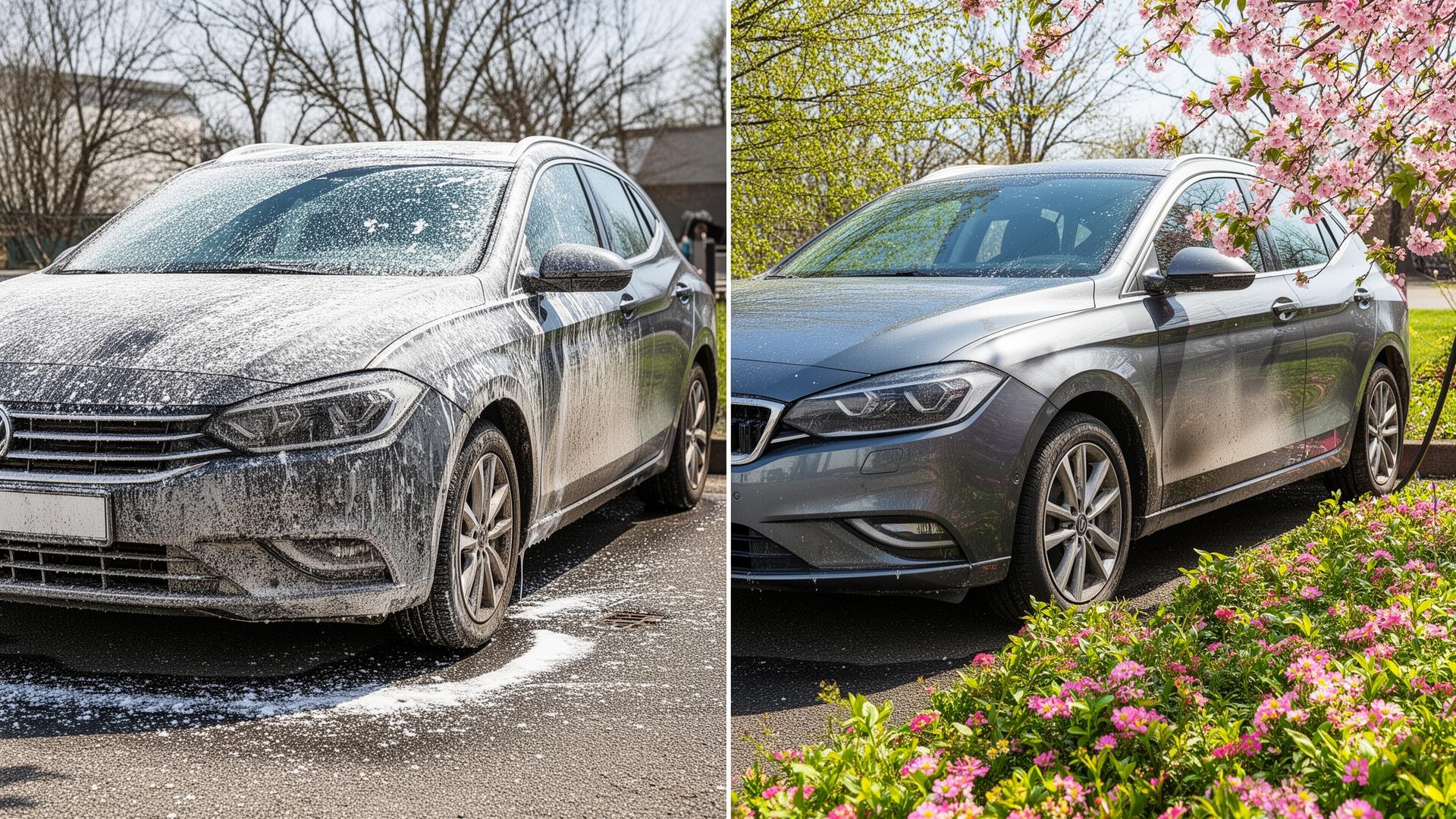
After winter, prioritize these 5 tasks: wash the undercarriage to remove road salt, check tire pressure and tread depth, test your battery, replace wiper blades, and top off all fluids. This 2-hour checklist prevents salt corrosion damage and catches winter wear before it becomes an expensive repair.
Winter takes a heavy toll on your vehicle. Road salt corrodes undercarriage components, cold temperatures strain your battery, and harsh conditions accelerate wear on wipers, tires, and fluids. Spring is the perfect time to undo that damage and prepare your car for the warmer months ahead. This comprehensive checklist covers everything you need to inspect, clean, and replace to keep your vehicle running reliably all season.
The Six Critical Spring Maintenance Tasks
The six most important spring car maintenance tasks are: wash the undercarriage to remove road salt, check tire condition and adjust pressure, test your battery after winter strain, replace both air filters, inspect brake pad wear, and verify your AC works before summer. Complete these six tasks and you will prevent the most common warm-weather breakdowns.
Short on Time? Do These 3 Things First
1. Wash the undercarriage to remove corrosive road salt before it causes rust damage.
2. Test the battery to catch weak cells before an unexpected failure strands you.
3. Replace the cabin air filter to protect against spring allergies and improve air quality.
These three tasks address the most common post-winter failures and take under 30 minutes combined.
Why Post-Winter Maintenance Matters
Winter is brutal on vehicles. Road salt accelerates rust on brake lines, suspension components, and undercarriage panels. Cold temperatures reduce battery capacity by up to 50%, and many batteries that survived winter are now on their last legs. Wiper blades become brittle from ice scraping, and cabin air filters get clogged with road grime. The AAA Foundation for Traffic Safety recommends a comprehensive post-winter vehicle inspection as part of its annual spring safety campaign.
Spring maintenance is about recovery and prevention. You are undoing winter damage before it becomes permanent and preparing systems like your AC that you will rely on heavily in summer. A couple hours of attention now can prevent a roadside breakdown in July.
Road Salt Warning
Spring Maintenance Saves Real Money
A professional spring checkup at a dealership typically costs $150 to $350 depending on your region. By handling the inspection and basic services yourself, you can complete the same tasks for $50 to $150 in materials. That is $100 to $200 back in your pocket, and you will catch problems early when they are still affordable to fix.
When to Do Spring Maintenance
The ideal window is late February through early April. You want consistent above-freezing temperatures so wash water does not freeze in crevices. Complete your spring maintenance before allergy season peaks to get the most benefit from fresh cabin air filters. If you wait until May, you have already missed weeks of optimal filter performance.
Vehicle Variability
Cost Comparison
| Service | DIY Cost | Professional Cost |
|---|---|---|
| Undercarriage wash and inspection | $0-15 | $25-50 |
| Tire inspection and pressure adjustment | $0 | $15-30 |
| Battery test and terminal cleaning | $0-10 | $20-40 |
| Engine air filter replacement | $15-30 | $40-80 |
| Cabin air filter replacement | $15-35 | $50-100 |
| Wiper blade replacement | $20-40 | $40-80 |
| Complete spring maintenance | $50-150 | $150-350 |
Tools and Materials
Tools Needed
- •Garden hose or pressure washer
- •Tire pressure gauge
- •Tread depth gauge or penny
- •Multimeter or battery tester
- •Basic hand tools (wrenches, screwdrivers)
- •Flashlight
- •Jack and jack stands
Materials Needed
- •Engine air filter (vehicle-specific)
- •Cabin air filter (vehicle-specific)
- •Wiper blades (all-season)
- •Washer fluid (summer formula)
- •Engine oil and filter (if due)
- •Car wash soap
- •Undercarriage rust protectant (optional)
Step-by-Step Spring Maintenance Guide
Timing Tip
Wash and Inspect the Undercarriage
Road salt is your vehicle's biggest enemy after winter. It accelerates rust on critical components and can cause expensive damage if left in place.
- Use a pressure washer or garden hose with spray attachment
- Focus on wheel wells, suspension components, and brake lines
- Spray the entire underside of the vehicle, including the fuel tank area
- Inspect for visible rust, damage, or loose components
- Check for any fluid leaks on your driveway after washing
- Consider applying undercarriage rust protectant after drying
Already seeing coolant puddles? Check our cooling system leak diagnosis guide.
Check Tire Condition and Pressure
Winter driving causes uneven tire wear, and temperature changes affect pressure. Spring is the time to assess condition and reset for warmer weather.
- Check pressure when tires are cold (reduce 2-3 PSI from winter settings)
- Use a penny to check tread depth (if you see Lincoln's head, tires need replacement)
- Look for uneven wear patterns that indicate alignment issues
- Inspect sidewalls for cracks, bulges, or damage from potholes
- If using winter tires, switch to all-season or summer tires
- Rotate tires if you have not done so in 5,000-7,500 miles
Seeing uneven wear? Learn about suspension problems that may be the cause.
Test and Service Your Battery
Winter puts extreme strain on batteries. Many that survived the cold are now weakened and will fail during the first heat wave of summer.
- Use a multimeter to check voltage (should read 12.4V or higher when off)
- Inspect terminals for white or greenish corrosion buildup
- Clean terminals with baking soda and water solution if corroded
- Ensure cable connections are tight and secure
- Check battery age (most last 3-5 years)
- Consider replacement if battery is over 4 years old or tests weak
For complete diagnostics, see our battery troubleshooting guide.
Replace Air Filters
Both engine and cabin air filters take a beating in winter. Fresh filters restore power, improve fuel economy, and prepare you for allergy season.
- Replace the engine air filter to restore airflow and power
- Most engine filters are accessible without tools
- Replace the cabin air filter before spring pollen peaks
- Cabin filters are usually behind the glove box or under the hood
- Note the airflow direction arrows when installing new filters
- Consider HEPA cabin filters if you have allergies
For detailed instructions, see our complete air filter guide.
Check and Top Off All Fluids
Fluid levels change over winter, and some fluids may need replacement. This is also a good time to spot leaks before they become serious.
- Check engine oil level and condition (dark or gritty = time to change)
- Verify coolant level in the overflow reservoir
- Check brake fluid (should be clear to light amber, not dark brown)
- Inspect power steering fluid level
- Check transmission fluid (if accessible)
- Replace winter washer fluid with summer formula (better bug removal)
Due for an oil change? Follow our complete oil change guide.
Inspect Brake Pads and Rotors
Winter salt and moisture accelerate brake wear. Check your brakes now to avoid surprises during a summer road trip.
- Look through wheel spokes to visually inspect pad thickness
- Minimum pad thickness is typically 3-4mm
- Check rotors for deep grooves or heavy rust
- Listen for squealing or grinding during test drives
- Feel for pulsation in the brake pedal (indicates warped rotors)
- If pads are thin, plan replacement before summer driving
Ready to replace? Our brake pad replacement guide walks you through the process.
Replace Wiper Blades and Check Lights
Winter ice scraping destroys wiper blades, and burnt-out bulbs are common after months of extended use in darkness.
- Replace front wipers (and rear if applicable) with fresh blades
- All-season blades work well for spring through fall
- Test all exterior lights: headlights, taillights, brake lights, turn signals
- Check fog lights and reverse lights
- Clean headlight lenses if cloudy or yellowed
- Replace any burned-out bulbs immediately using our headlight bulb replacement guide
Test AC and Clean Interior
Your AC has been dormant all winter. Test it now to identify problems before summer heat makes shop wait times unbearable.
- Run AC on max cold for 5 minutes and verify cold air output
- Listen for unusual noises (clicking, squealing, or grinding)
- Check for musty smells (indicates mold in the system)
- Air blows cool but not cold (likely low refrigerant from a slow leak)
- Cold at idle, warm while driving (possible condenser fan issue)
- AC cuts out intermittently (could be compressor clutch or electrical)
- Vacuum carpets and floor mats to remove salt and winter grime
- Wipe down dashboard and interior surfaces
- Check for moisture or mold under floor mats
AC Not Cooling?
Additional Spring Tips
Coolant Check
While winter required strong antifreeze protection, spring is a good time to verify your coolant is still in good condition. Check for rust particles or oil contamination.
Pothole Damage
Winter potholes can damage wheel alignment, bend rims, and break suspension components. If your car pulls to one side or the steering wheel is off-center, get an alignment check.
Allergy Season Prep
A fresh cabin air filter is your best defense against spring allergies. Install it before tree pollen peaks in your area for maximum protection.
Fuel Economy
Fresh air filters, proper tire pressure, and clean fuel injectors can improve fuel economy by 5-10%. Spring maintenance often pays for itself in gas savings.
Related Maintenance Guides
Car Maintenance Schedule by Mileage
Use this as your year-round reference after completing spring prep. Know exactly when each service is due.
Check Engine Light Diagnosis
If any warning lights appeared during your inspection, diagnose the cause before it becomes costly.
Understanding Coolant Types
Verify you are using the correct antifreeze for your engine before summer heat arrives.
Winter Car Prep Guide
Bookmark for September to prepare your vehicle for next winter with this comprehensive checklist.
Summer Car Prep Guide
Continue your seasonal maintenance by preparing your vehicle for summer heat and road trips.
Road Trip Prep Checklist
Once your spring maintenance is done, use this checklist to make sure your car is road trip ready.
Frequently Asked Questions
Don't Miss Critical Car Care Tips
Get exclusive guides, money-saving maintenance tips, and early warning signs delivered straight to your inbox.