Squeaky Brakes? 6 Causes and How to Fix Them
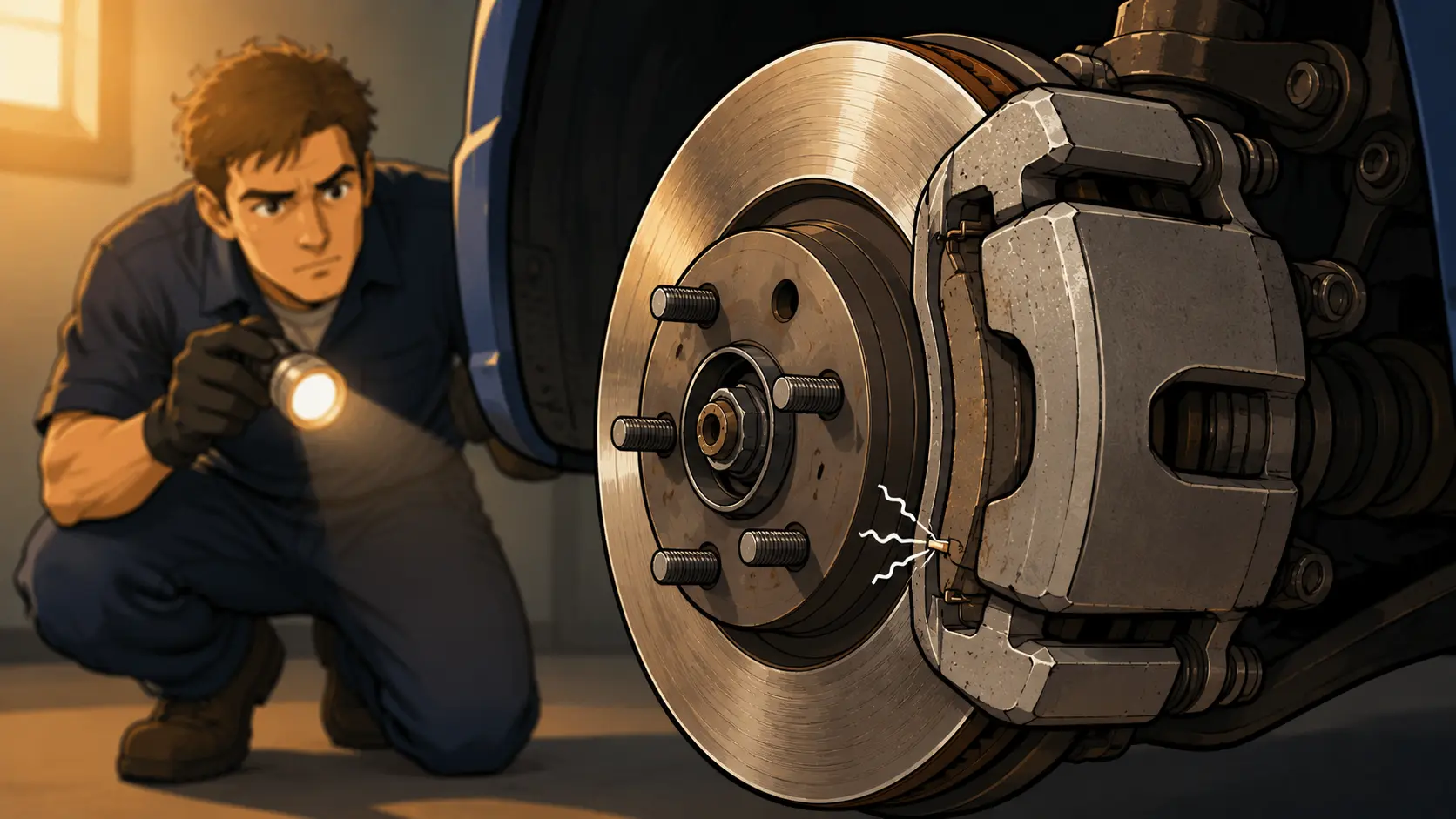
Quick Answer
Brakes squeak for six common reasons: worn pads hitting the wear indicator, glazed pads or rotors from heat, surface rust after rain or sitting overnight, missing shims or dried-out lubricant on the caliper slides, debris stuck between pad and rotor, or warped rotors. A squeak that goes away after a few stops is usually harmless rust. A squeak that persists, grinds, or only happens when you brake means it is time to inspect the pads. Most fixes cost $50 to $300 in DIY parts.
Is That Squeak a Warning or Just Annoying?
Brake squeal is the most misunderstood noise in car ownership. Sometimes it is the brake system politely telling you it is healthy and just shed some rust overnight. Other times it is a wear indicator screaming that you have 1,000 miles before metal-on-metal damage starts. Knowing the difference saves you a panicked trip to the shop and a $400 bill for nothing.
This guide walks through the six most common causes of brake squeal in order from harmless to serious, tells you the telltale sound and timing of each, and points you to the fix. By the end, you will know whether you can ignore it, fix it in your driveway, or need to book a shop appointment this week.
Listen carefully on your next drive. The when and how of the squeal is half the diagnosis.
When Brake Squeal Is Actually Dangerous
Use this quick decision check before reading on:
- Squeak only on the first few stops of the day, then disappears: Likely surface rust. Harmless.
- Constant high-pitched squeal that only occurs when braking: Wear indicator. Replace pads soon.
- Grinding or scraping under braking: Pads are worn through. Stop driving and replace immediately.
- Squeal at all times, not just braking: Caliper or hardware issue. Inspect this week.
- Pulsation in the pedal alongside squeal: Warped rotors. Resurface or replace.
GRINDING IS NOT SQUEALING
If your brakes grind or scrape rather than squeal, the pads are gone and metal backing plates are eating into your rotors. Every additional mile of driving destroys $200 worth of rotors. Park the car and replace the pads before you drive again.
Cause 1: Worn Brake Pads (Wear Indicator)
Modern brake pads include a small metal tab called a wear indicator. When the friction material wears down to about 3 millimeters of remaining thickness, this tab makes contact with the rotor and produces a high-pitched squeal designed to be impossible to ignore.
The sound: Constant, high-pitched, present every time you brake. Often louder at low speeds. Sometimes goes silent when you press the pedal harder (because the tab pushes away from the rotor under heavier pressure).
The fix: Replace the brake pads. This is the most common DIY brake job and one of the highest-value tasks you can tackle yourself. Walk through it with our DIY brake pad replacement guide. Inspect the rotors at the same time, since worn pads often mean the rotors are also at the end of their service life.
Cause 2: Glazed Pads or Rotors
Hard, repeated braking (a long downhill, panic stop, or towing) overheats brake friction material until the surface hardens and turns shiny. Glazed pads cannot grip the rotor properly and produce a squeal even when there is plenty of friction material left.
The sound: Squeal under normal braking, often with reduced stopping power. The pads look smooth and glassy when you remove the wheel.
The fix: Light glazing can sometimes be sanded off the pad surface with 120-grit sandpaper and bedded in again with a series of moderate stops from 40 to 10 mph. Heavy glazing means new pads. If the rotors are also glazed (visible blue or rainbow tint), they need resurfacing or replacement. See our brake rotor replacement guide.
Cause 3: Surface Rust on Rotors
Brake rotors are made of cast iron, which rusts the moment it gets wet. Park outside overnight in damp weather or after a car wash and a thin orange film forms on the rotor surface within hours. The first few brake applications scrape this layer off.
The sound: Squeak or scraping noise on the first 5 to 15 stops of the day, then completely silent. Most common after rain, after a car wash, or after the car sat overnight.
The fix: No fix needed. This is normal. If it bothers you, park indoors or use a car cover to keep moisture off the rotors.
Cause 4: Missing Shims or Dried-Out Lubricant
Modern brake pads include thin metal anti-rattle shims and rely on a high-temperature grease applied to the back of the pad and to the caliper slide pins. Over time, the shims fall out and the grease bakes off, allowing the pad to vibrate against the caliper and produce a metallic squeal.
The sound: Squeal that comes and goes, often only on bumpy roads or when braking lightly. Stops when you press the pedal hard.
The fix: Pull the wheel and caliper, clean the pad backing plates and slide pins with a wire brush, apply fresh high-temperature brake grease (Permatex or CRC silicone-based), and reinstall the shims if they are still serviceable. Replace any rusted or seized slide pins. Total job is about 45 minutes per wheel and costs $10 in grease.
Cause 5: Debris Stuck in the Brakes
A small rock, bolt, or piece of metal trapped between the brake pad and rotor causes an immediate squeal, scrape, or grinding sound. This is more common on cars with open-spoke wheels that let road debris fly in.
The sound: Sudden onset, usually after driving on a gravel road or construction zone. Constant scraping or grinding that does not change when you brake.
The fix: Pull the wheel and inspect the caliper and rotor surface for debris. A small magnet helps remove iron filings. If the rotor has a visible groove or scratch, light surface scoring is fine but deep gouges mean rotor replacement.
Cause 6: Warped or Worn Rotors
Brake rotors warp from extreme heat or wear unevenly when pads are not changed in time. A warped rotor causes the brake pad to lose contact and re-contact the surface dozens of times per second, producing both a squeal and a pulsation in the brake pedal.
The sound: Squeal combined with a noticeable pulsation in the brake pedal under braking. Steering wheel may also shake during braking.
The fix: Replace the rotors. Modern rotors are typically thinner than older designs and rarely worth resurfacing. Replace pads at the same time. Our brake rotor replacement guide covers the full procedure.
DIY vs Professional Cost Comparison
Front Brake Job (Pads + Rotors)
DIY Cost
$80-200
Parts only, 2 to 3 hours total
Shop Cost
$300-700
Parts plus 1.5 to 2 hours of labor at $120/hr
WHEN TO SEE A PROFESSIONAL
Skip the DIY route if you have never worked on brakes before, if your brake fluid looks dark and burnt, if the calipers are seized or leaking, or if you have anti-lock or electronic parking brakes that need a scan tool to retract. Brakes are the one system on the car where 'pretty close' is not good enough.
How to Prevent Brake Squeal
- Buy quality pads. Cheap semi-metallic pads are loud by design. Ceramic pads from a reputable brand (Akebono, Wagner, Bosch) are quieter and produce less brake dust.
- Bed in new pads properly. Make 6 to 10 moderate stops from 40 mph down to 10 mph after installation, then drive normally for 10 minutes without coming to a complete stop.
- Lubricate the caliper hardware at every brake job and inspect at every tire rotation.
- Replace pads at 4 mm minimum. Going below that risks rotor damage even before the wear indicator engages.
- Listen on the first drive of the day. Catching a developing problem early saves expensive damage downstream.
WHY LISTENING MATTERS
Brakes give plenty of warning before they fail catastrophically. According to NHTSA's vehicle equipment safety guidance, brake-related crashes account for around 22 percent of all vehicle defect crashes. Most could have been prevented by acting on early warning sounds like squeal and pulsation.
BOTTOM LINE
Most brake squeal is fixable in an afternoon for under $200 in parts. Surface rust is harmless. Wear indicators mean act this week. Grinding means stop driving today. When in doubt, pull a wheel and look at the pad thickness. If you can see less than 3 mm of friction material, it is time for new pads.
What to Read Next
DIY Brake Pad Replacement
Save $300 per axle with this step-by-step pad change.
Brake Rotor Replacement
When rotors need to go and how to swap them in 90 minutes.
Diagnosing Car Noises
A noise-by-noise reference for what your car is trying to tell you.
Wheel Bearing Diagnosis
Sometimes 'brake noise' is actually a failing wheel bearing.
Frequently Asked Questions
Don't Miss Critical Car Care Tips
Get exclusive guides, money-saving maintenance tips, and early warning signs delivered straight to your inbox.